
Understanding Your Cat’s Needs
Cats are fascinating creatures with a variety of natural behaviors and instincts that play crucial roles in their overall well-being. Recognizing these needs is essential for ensuring that indoor cats are content and secure, particularly when they are alone. One of the most fundamental needs of a cat is stimulation. Boredom can quickly lead to stress and behavioral issues, making it vital to provide your feline friend with toys, scratching posts, and interactive playtime. Engaging your cat in regular play not only serves as physical exercise but also stimulates their hunting instincts, which are integral to their nature.
In addition to play, exploration is another key aspect of a cat’s life. Cats are inherently curious animals, and they thrive in environments where they can explore their surroundings. Creating safe spaces where your cat can climb, hide, and observe can significantly enhance their comfort and sense of security. Utilizing cat trees, tunnels, and even perches by windows can encourage this natural behavior. By allowing them to engage with their environment, you will help mitigate feelings of loneliness and restlessness when they are left alone.
Routine also plays an important role in a cat’s emotional well-being. Cats are creatures of habit and appreciate a consistent schedule. Feeding them at the same time each day, establishing set play times, and maintaining an area that is solely theirs can foster a sense of stability. It’s crucial to ensure that their living space remains a secure and comfortable sanctuary, enabling them to feel relaxed while you are away.
By understanding your cat’s instincts and needs, you can create an environment that promotes happiness and security. This, in turn, leads to a healthier relationship between you and your feline companion, ultimately making your time apart less stressful for both parties. Ensuring that your cat has their basic needs met is the first step in keeping them happy and secure at home when alone.
Creating a Cat-Friendly Environment
Establishing a cat-friendly environment is crucial for the well-being and happiness of your feline companion, especially when they are left alone at home. To begin, it is essential to identify areas in your home where your cat can engage in playful activities. Designate a play area equipped with interactive toys that stimulate their natural hunting instincts. Toys such as feather wands, laser pointers, and small balls can keep your cat entertained while fostering exercise, thereby alleviating boredom.


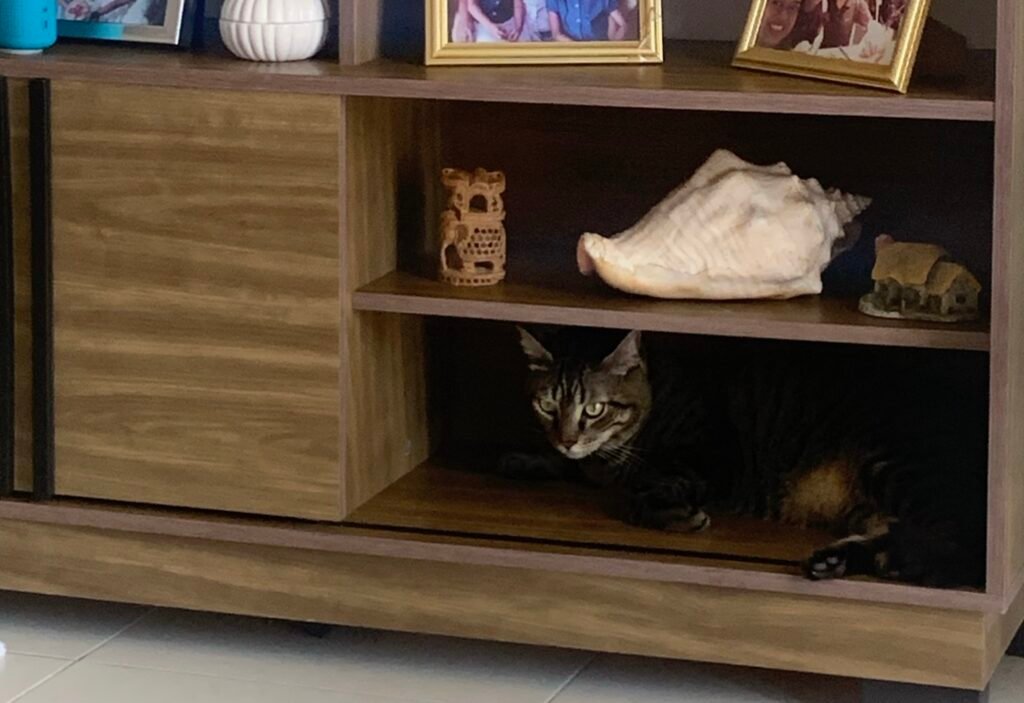
In addition to organized play areas, providing cozy resting spots is vital. Cats enjoy settling down in warm and secure locations. Consider placing soft beds or blankets in quiet corners of your home where they can relax undisturbed. Cat trees can also be advantageous, offering not only a resting space but also a climbing structure, which satisfies their instinctual need to perch and observe their surroundings. These structures can provide comfort and a sense of security, allowing your cat to feel safe when alone.
Utilizing vertical spaces is another effective way to create an inviting environment for your cat. Install shelves or platforms high on walls, offering your feline friend a vantage point to explore and survey their territory. Cats are naturally inclined to climb, and vertical spaces can help alleviate anxiety, as they give your pet a chance to escape to a safe, elevated location when feeling insecure.
Moreover, safety is paramount. Ensure that the environment is free from hazards; secure cords, chemicals, and small objects that could be ingested. Providing safe and stimulating toys, along with a comfortable, secure environment, not only enhances your cat’s happiness but also fosters a sense of security, allowing them to thrive even in your absence.
Enriching Their Alone Time
When cats are left home alone, they can experience boredom and anxiety if not properly engaged. To ensure your feline companion remains happy and secure, it is essential to enrich their alone time with various activities and tools. Interactive toys are a great starting point. Toys that require movement or problem-solving can stimulate your cat mentally and physically. For instance, toys that mimic the unpredictable movements of prey can keep a cat engaged, giving them an outlet for their natural hunting instincts.
Puzzle feeders are another excellent way to keep your cat busy. These devices require cats to figure out how to access their food or treats, providing both a challenge and a reward. Incorporating puzzle feeders into your cat’s mealtime routine encourages them to think critically and expend energy, reducing the likelihood of destructive behaviors due to boredom.


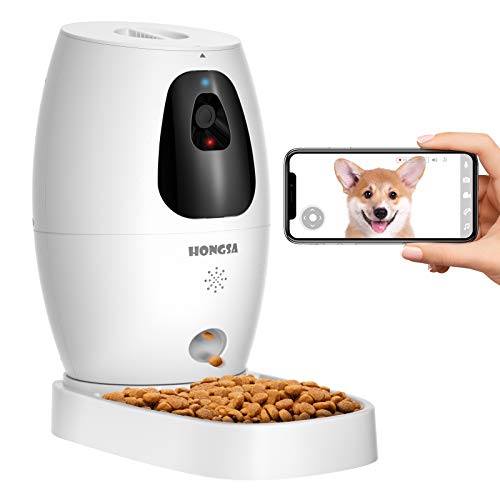
Incorporating technology can also significantly enhance your cat’s alone time. Devices such as cat cameras and treat dispensers allow you to interact with your pet remotely, providing engagement even when you’re not home. For example, a camera that streams live footage of your cat can help you monitor their behavior and ensure they are comfortable. Treat dispensers, which can be activated via mobile apps, give you the capability to reward your cat while you are away, thus creating positive associations with that time alone.



Moreover, establishing a consistent daily routine for your cat can further assist in their well-being. Cats thrive on familiarity, and a regular schedule helps them feel secure. Designating specific times for feeding, play, and relaxation can create a predictable environment where your cat feels cared for. By implementing a combination of these strategies, you can ensure that your cat enjoys enriching experiences, leading to an overall happier and more secure life at home when alone.
Monitoring and Addressing Anxiety
Understanding your cat’s behavior is crucial in identifying signs of anxiety or stress when they are left alone at home. Cats exhibit a range of behaviors that may indicate discomfort, including excessive vocalization, destructive behavior, litter box issues, or changes in eating habits. Observing these signs can help you determine when your cat is feeling anxious and how best to address their needs.
One effective method for monitoring your cat’s behavior is to use technology, such as video cameras or pet monitoring systems. These devices allow you to view your cat’s activities even when you are away, enabling you to spot any unusual behaviors that may indicate anxiety. Additionally, spending quality time with your cat before you leave may help you gauge their mood and create a more positive atmosphere.
To alleviate anxiety, consider implementing gradual departures. This process involves leaving your cat alone for short periods, gradually increasing the time as they become accustomed to your absence. Pairing this with positive reinforcement, such as treats or praise when you return, can help your cat associate your departures and arrivals with a sense of security.
Creating a comfortable environment is another fundamental aspect of addressing anxiety. Providing engaging toys, scratching posts, and safe spaces can help your cat feel more secure. Environmental desensitization, such as playing soothing music or utilizing pheromone diffusers, may also be beneficial in creating a calming atmosphere.
If your cat shows persistent signs of anxiety, consulting a veterinarian is advisable. They can rule out any underlying health issues and discuss behavioral modification strategies tailored to your cat’s needs. In some cases, medication may be recommended to assist in managing anxiety levels. Observing these guidelines can foster a secure and happy environment for your cat when they are left alone, promoting their overall well-being.



Affiliate Disclosure:
This article contains affiliate links, meaning I may earn a commission if you click through and make a purchase, at NO extra cost to you.